Detailed Description of Terminal Safety Survey
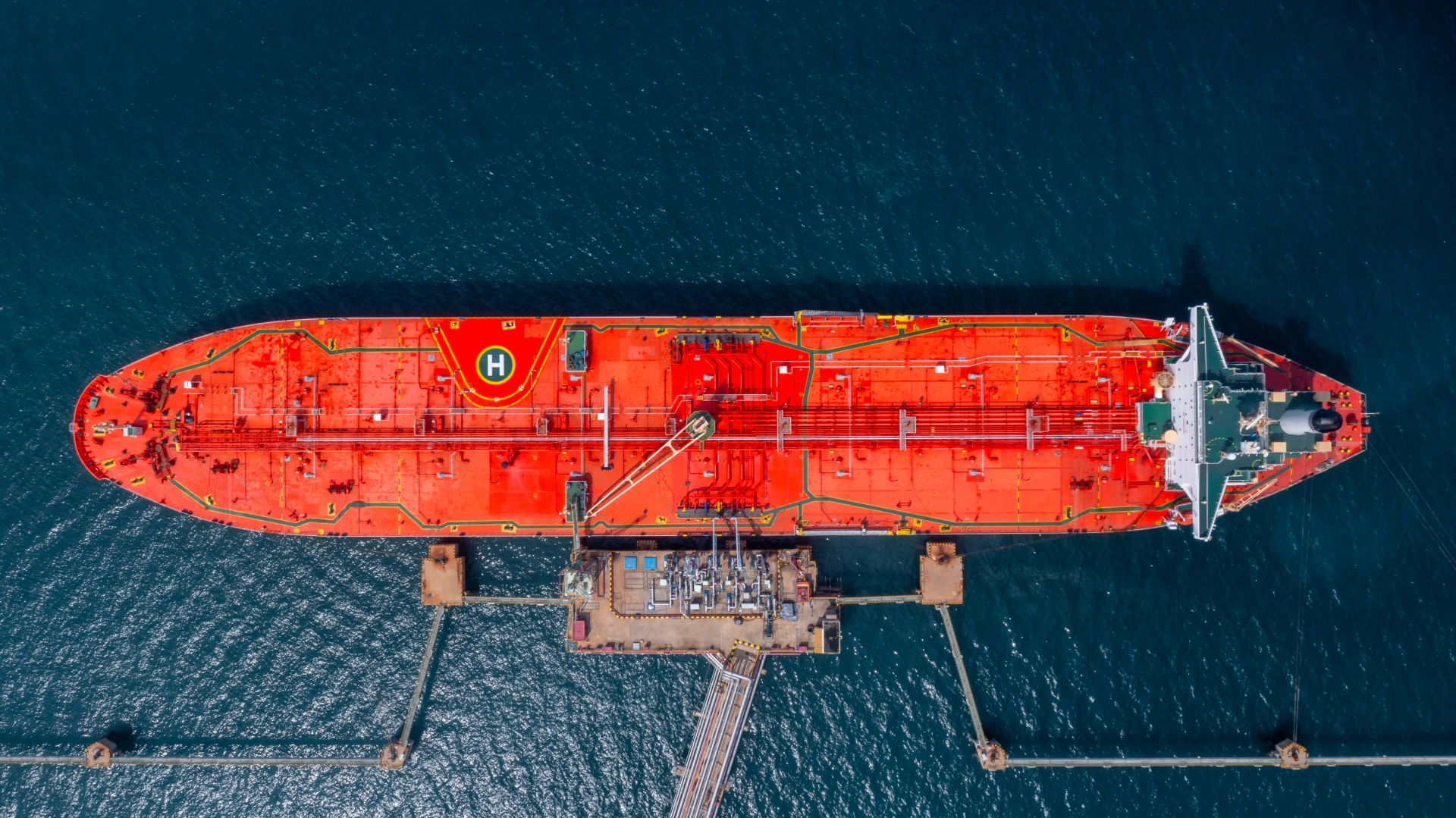
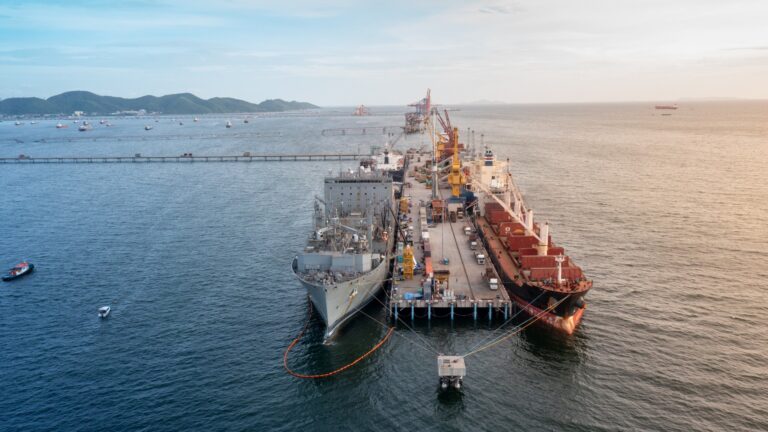
A Terminal Safety Survey is a comprehensive assessment of port or terminal facilities to ensure they comply with international safety standards, operational protocols, and environmental regulations. This survey aims to identify potential risks, ensure smooth and safe operations, and protect the personnel, assets, and surrounding environment.
Purpose of Terminal Safety Surveys
- Ensure Operational Safety: Identify and mitigate risks to prevent accidents during cargo handling and terminal operations.
- Enhance Compliance: Align terminal safety practices with international standards such as ISPS Code, MARPOL, and local port regulations.
- Promote Efficiency: Streamline operations by ensuring infrastructure and equipment are in optimal condition.
- Protect the Environment: Evaluate pollution control measures to prevent environmental damage.
Scope of Terminal Safety Surveys
The survey covers all critical aspects of terminal safety and operations, including infrastructure, equipment, personnel, and emergency systems. Below are the key areas assessed:
- Terminal Infrastructure
Structural Integrity:
- Condition of jetties, piers, and berths.
- Inspection of pipelines, loading arms, and manifolds.
Operational Layout:
- Assessment of traffic flow and cargo storage arrangements.
- Adequacy of access routes and restricted areas.
- Cargo Handling Equipment
- Inspection of cranes, forklifts, and other cargo handling machinery.
- Assessment of loading/unloading arms and hoses for leaks or damage.
- Verification of calibration and functionality of weighing systems.
- Safety Systems and Equipment
Firefighting Systems:
- Condition of fire extinguishers, fire pumps, and fire alarms.
- Availability and functionality of fixed fire suppression systems.
Emergency Equipment:
- Life-saving appliances such as lifebuoys, life rafts, and first aid kits.
- Emergency power systems and lighting.
- Pollution Prevention Measures
- Evaluation of oil spill containment systems and response readiness.
- Inspection of waste management facilities for proper handling of solid, liquid, and hazardous waste.
- Assessment of sewage treatment plants and ballast water management systems.
- Security Measures
- Compliance with the International Ship and Port Facility Security (ISPS) Code.
- Inspection of fencing, surveillance cameras, and access control systems.
- Evaluation of security personnel training and protocols.
- Personnel Training and Competency
- Review of personnel qualifications and certifications.
- Verification of safety training records and emergency drill participation.
- Assessment of familiarity with terminal safety procedures and emergency response plans.
- Emergency Preparedness
- Evaluation of emergency response plans for fire, oil spills, and other incidents.
- Inspection of emergency escape routes and assembly points.
- Review of communication systems for incident reporting and coordination.
Benefits of Terminal Safety Surveys
- Risk Mitigation: Identifies and eliminates hazards to ensure a safe working environment.
- Regulatory Compliance: Aligns terminal operations with international and local safety standards.
- Operational Efficiency: Reduces downtime caused by accidents or equipment failures.
- Environmental Protection: Prevents pollution incidents and ensures sustainable practices.
- Improved Reputation: Builds trust with stakeholders, including ship operators, charterers, and regulatory authorities.
Common Deficiencies Identified During Terminal Safety Surveys
- Inadequate or malfunctioning firefighting and emergency response systems.
- Damaged or poorly maintained cargo handling equipment.
- Lack of personnel training in safety and emergency procedures.
- Non-compliance with pollution prevention measures, such as inadequate waste management systems.
- Security vulnerabilities, including ineffective access control or surveillance.
Steps in Conducting a Terminal Safety Survey
- Preliminary Assessment: Review terminal layouts, previous survey reports, and incident records.
- On-Site Inspection: Conduct a physical walkthrough of the terminal to inspect infrastructure, equipment, and systems.
- Personnel Interviews: Engage with terminal staff to evaluate their knowledge and training in safety procedures.
- Documentation Review: Verify safety manuals, emergency plans, and regulatory compliance documents.
- Survey Report: Provide a detailed report highlighting deficiencies, risks, and recommendations for improvement.
- Follow-Up Actions: Address identified issues and implement corrective measures.
Regulatory Framework for Terminal Safety
Terminal Safety Surveys ensure compliance with the following standards:
- ISPS Code: Security requirements for terminals and port facilities.
- MARPOL: Pollution prevention standards for waste management and oil spill prevention.
- ILO Guidelines: Safety and health standards for workers in terminal operations.
- Local Port Authority Regulations: Compliance with region-specific safety and operational requirements.
Why Terminal Safety Surveys Are Essential
Terminals are high-risk environments where cargo handling, ship movements, and industrial operations converge.
Safety surveys help identify vulnerabilities, prevent incidents, and ensure smooth operations.
By aligning with global standards, terminal operators protect their workforce, environment, and reputation while maintaining operational excellence.
A Terminal Safety Survey is an indispensable tool for managing risks, ensuring compliance, and fostering a culture of safety and efficiency in port and terminal operations.