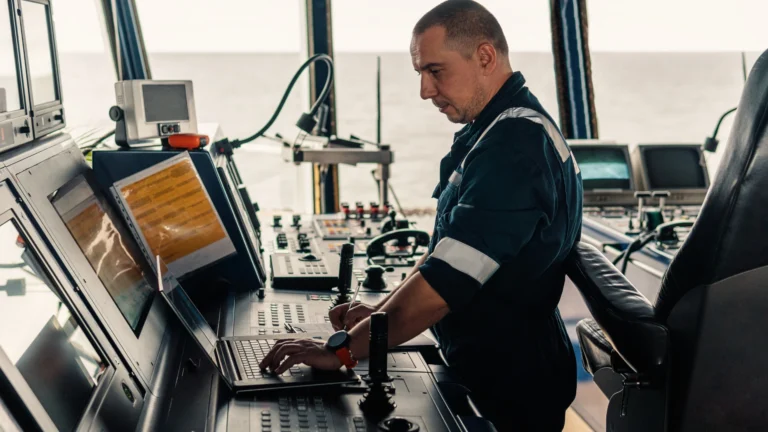
A ship navigation audit is a systematic evaluation of a vessel’s navigation practices, equipment, and crew performance to ensure safe and efficient passage. It focuses on compliance with international regulations, company policies, and industry best practices, aiming to identify areas for improvement in navigational safety. These audits are often conducted by qualified maritime professionals to enhance safety culture and operational reliability on board.
Purpose of a Ship Navigation Audit
- Safety Assurance:
To ensure the vessel’s navigation practices minimize the risk of accidents or incidents such as collisions, groundings, or near-misses.
- Regulatory Compliance:
To verify compliance with international regulations, such as the International Regulations for Preventing Collisions at Sea (COLREGs), SOLAS, and MARPOL.
- Performance Evaluation:
To assess the competence of the navigation team and their adherence to established procedures.
- Operational Efficiency:
To identify and address inefficiencies in navigation planning and execution.
- Continuous Improvement:
To provide recommendations for enhancing navigational practices and crew training.
Key Components of a Ship Navigation Audit
- Navigation Procedures:
- Review of the bridge team’s adherence to company navigation manuals, standing orders, and international regulations.
- Assessment of passage planning, including route optimization and identification of hazards.
- Bridge Team Management:
- Evaluation of communication, teamwork, and decision-making on the bridge.
- Monitoring of adherence to the Bridge Resource Management (BRM) principles.
- Navigational Equipment:
- Inspection of the operational status and maintenance of equipment such as radar, ECDIS (Electronic Chart Display and Information System), GPS, AIS (Automatic Identification System), and compasses.
- Verification of chart updates and corrections (paper and electronic).
- Emergency Preparedness:
Evaluation of the crew’s response to simulated emergencies, such as engine failures, loss of navigation aids, or collision scenarios.
- Voyage Monitoring:
- Observation of navigation during a voyage to assess practices such as lookout, compliance with COLREGs, and radar usage.
- Review of logbooks and voyage data recorder (VDR) entries for accuracy.
- Regulatory Compliance:
- Verification of compliance with SOLAS Chapter V (Safety of Navigation) and other applicable international and local regulations.
- Ensuring proper certification and training of navigation officers.
- Environmental Compliance:
Assessment of compliance with MARPOL Annexes relevant to navigation, such as avoiding environmentally sensitive areas and proper ballast water management.
- Audit Reporting:
Compilation of a detailed report, including observations, non-conformities, and actionable recommendations.
Process of Conducting a Ship Navigation Audit
- Preparation:
- Review of the vessel’s documents, procedures, and previous audit reports.
- Planning the scope and objectives of the audit with stakeholders.
- Onboard Assessment:
- Observation of bridge operations during arrival, departure, or transit.
- Review of passage planning, equipment functionality, and emergency procedures.
- Interviews and Drills:
- Conducting interviews with bridge officers and crew to evaluate knowledge and understanding of navigation practices.
- Testing the crew’s response to navigational emergencies.
- Document Review:
Examination of logbooks, records, and checklists to ensure compliance and accuracy.
- Debriefing:
Discussing findings with the master and navigation team to highlight strengths and areas for improvement.
- Reporting:
Delivering a comprehensive report with identified non-conformities, best practices, and recommendations for corrective actions.
Key Benefits of a Ship Navigation Audit
- Enhanced Safety:
Reduces the risk of navigation-related accidents.
- Improved Compliance:
Ensures adherence to international regulations and company policies.
- Crew Competence:
Identifies training needs and enhances the skills of the navigation team.
- Operational Efficiency:
Optimizes passage planning and execution, saving time and fuel.
- Reputation Management:
Demonstrates commitment to safety and compliance to stakeholders, including charterers and regulatory authorities.
Who Conducts Ship Navigation Audits?
- Third-Party Auditors: External professionals from classification societies, maritime consultants, or auditing firms.
- Internal Auditors: Qualified personnel from the ship’s owning or operating company.
- Port State Control (PSC): Inspections by regulatory authorities may include navigation-related checks.
A ship navigation audit is an essential tool for promoting safety, compliance, and efficiency in maritime operations, ensuring that vessels meet the highest standards of navigational excellence.