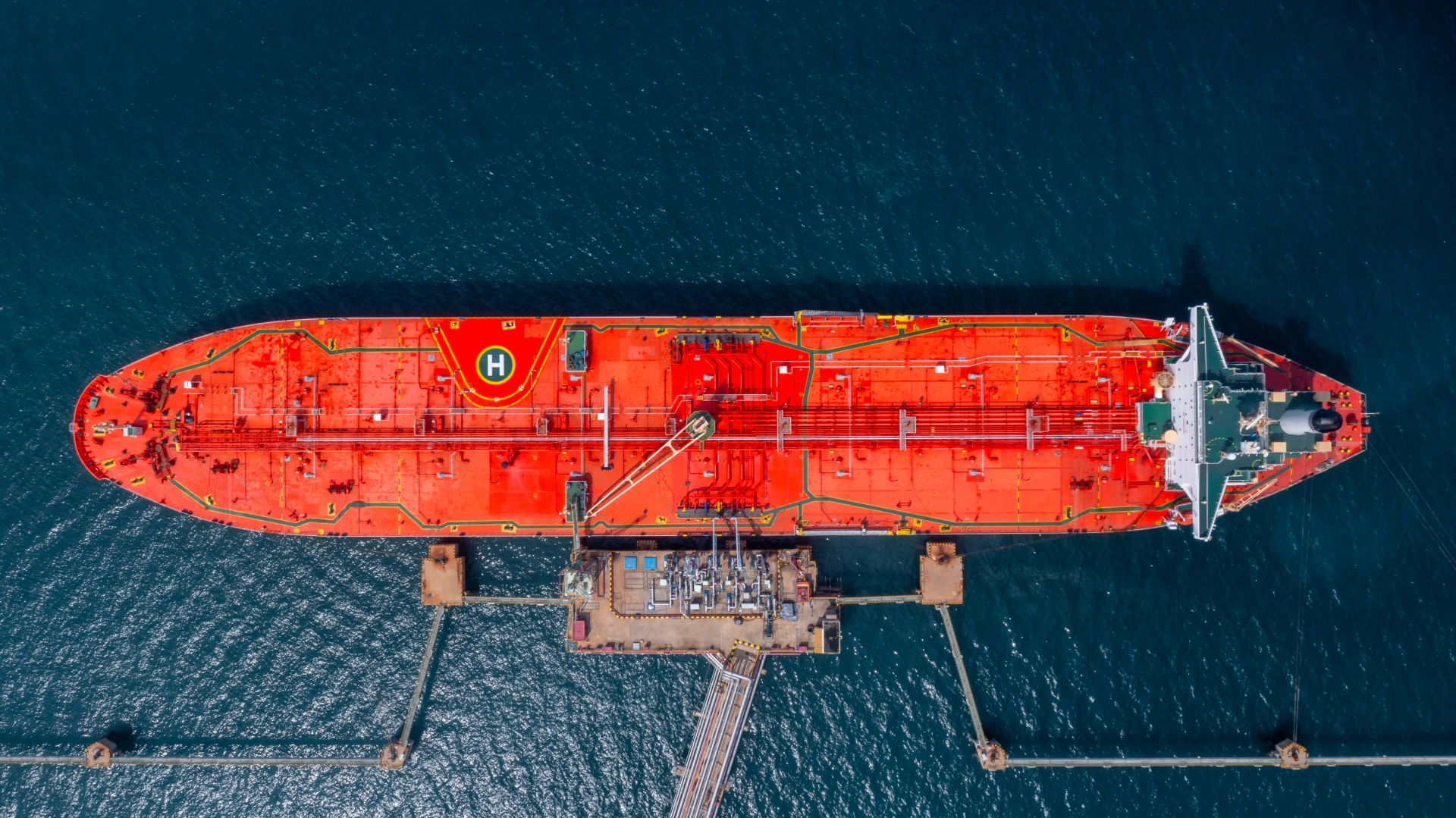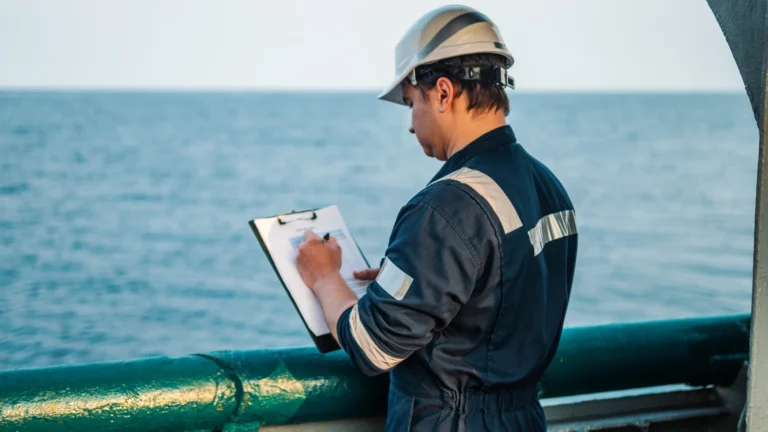
A pre-purchase inspection surveyor for ships is a professional who conducts a thorough inspection of a vessel to assess its condition, safety, and operational status before a buyer commits to purchasing it. Their role is crucial in helping the buyer make an informed decision and often prevents costly surprises post-purchase. Below is a detailed description of their responsibilities, qualifications, and process:
Responsibilities
- Structural Assessment:
- Inspect the hull, deck, superstructure, and other structural elements for signs of damage, corrosion, cracks, or repairs.
- Evaluate the overall integrity and quality of the ship’s construction.
- Machinery and Equipment Check:
- Examine the engine(s), propulsion systems, and auxiliary machinery for performance, wear, and maintenance records.
- Inspect electrical systems, steering mechanisms, and onboard equipment like cranes, winches, and pumps.
- Safety Equipment Evaluation:
- Verify the functionality of lifesaving appliances (e.g., lifeboats, life rafts, fire extinguishers, and alarms).
- Assess compliance with maritime safety regulations.
- Underwater Inspection:
- Conduct a hull survey below the waterline (using divers or dry docks) to check for fouling, damage, or wear to the propeller, rudder, and sea chests.
- Operational Systems Review:
- Test navigation equipment (e.g., radar, GPS, and communication systems).
- Assess onboard systems like HVAC, plumbing, and sewage treatment.
- Documentation and Certification:
- Review the ship’s documentation, including maintenance logs, classification certificates, and compliance with maritime regulations (SOLAS, MARPOL, etc.).
- Check the validity and scope of insurance policies.
- Performance and Sea Trials:
- Conduct or observe sea trials to evaluate the ship’s performance under operating conditions.
- Detailed Reporting:
- Provide a comprehensive survey report detailing the findings, including the ship’s strengths, deficiencies, and estimated repair costs.
- Offer recommendations on whether the purchase is advisable and any negotiations needed.
Qualifications of a Pre-Purchase Inspection Surveyor
- Educational Background: Typically holds a degree or certification in marine engineering, naval architecture, or a related field.
- Professional Certification: Certified by organizations such as the International Institute of Marine Surveying (IIMS), Society of Accredited Marine Surveyors (SAMS), or an equivalent body.
- Experience: Extensive experience in ship inspections, repairs, or operations.
- Knowledge: Familiarity with maritime laws, classification societies’ rules (e.g., Lloyd’s Register, DNV, ABS), and international conventions like SOLAS and MARPOL.
Inspection Process
- Initial Consultation:
- Discuss the buyer’s needs, intended use of the ship, and specific concerns.
- Pre-Inspection Research:
- Gather information about the ship’s history, type, and specifications.
- Onboard Inspection:
- Conduct a physical examination of all accessible areas and systems.
- Underwater Inspection:
- Use divers or remote-operated vehicles (ROVs) for hull surveys below the waterline, if applicable.
- Sea Trial:
- Observe the vessel’s performance during operational conditions.
- Documentation Review:
- Cross-check certifications, maintenance records, and compliance documentation.
- Report Preparation:
- Provide a detailed report highlighting the ship’s condition, estimated repair costs, and overall suitability for purchase.
Why Hire a Pre-Purchase Inspection Surveyor?
- Risk Mitigation: Identifies potential issues that may affect the vessel’s performance or safety.
- Cost Savings: Helps estimate repair costs and negotiate a fair purchase price.
- Regulatory Compliance: Ensures the ship meets legal and safety standards.
- Informed Decision-Making: Provides a clear understanding of the vessel’s condition, helping buyers avoid financial or operational risks.
Engaging a qualified and experienced surveyor is essential for any ship purchase, as they provide a professional, unbiased evaluation critical to the investment decision.