Briefing on OCIMF SIRE Inspections
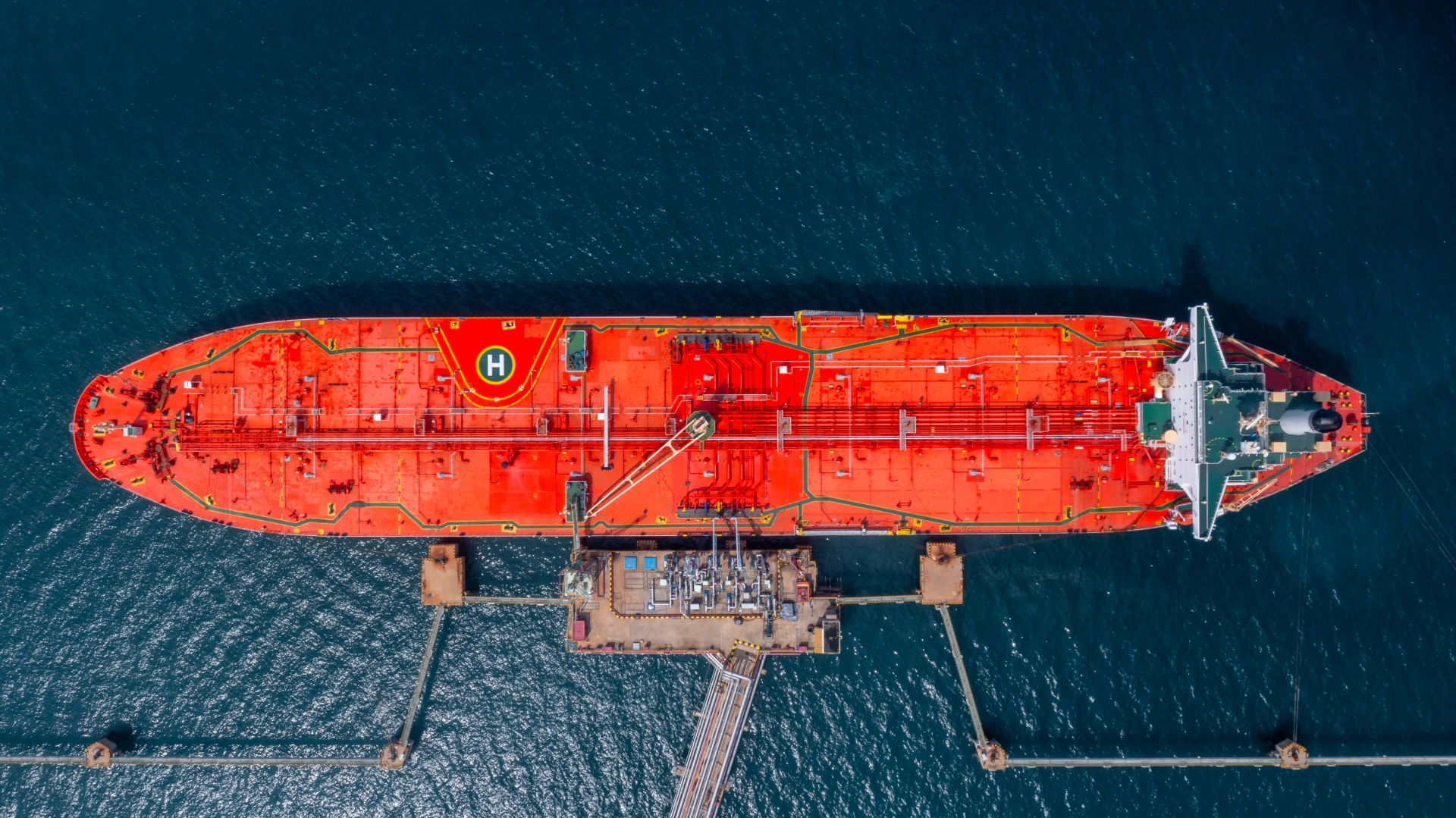
The OCIMF SIRE Inspection is a standardized inspection program established by the Oil Companies International Marine Forum (OCIMF). It is widely recognized as a critical tool for assessing the safety, operational, and environmental standards of tankers and barges in the shipping industry. The program aims to ensure vessels comply with international regulations and industry best practices, promoting safe and efficient marine transportation.
Key Objectives of SIRE Inspections:
- Promote Safety: Evaluate vessels for compliance with safety standards to minimize risks in operations.
- Enhance Operational Standards: Ensure the ship’s crew and management adhere to the highest operational protocols.
- Environmental Protection: Verify compliance with pollution prevention regulations, such as MARPOL.
- Industry Accountability: Provide oil companies, charterers, and other stakeholders with reliable vessel performance and compliance data.
Scope of SIRE Inspections:
SIRE inspections are detailed and cover various aspects of vessel operations. Key areas include:
- Structural Integrity:
- Condition of the hull, deck, cargo tanks, and pipelines.
- Assessment of corrosion, damage, and maintenance status.
- Safety Equipment and Procedures:
- Firefighting systems, life-saving appliances, and navigation systems.
- Emergency preparedness and crew training.
- Operational Standards:
- Cargo handling, ballast management, and mooring operations.
- Compliance with shipboard operational manuals.
- Documentation and Certifications:
- Review of vessel certificates, logs, and operational documents.
- Inspection of safety management systems and maintenance records.
- Crew Competency:
Assessment of crew qualifications, experience, and ability to respond to emergencies.
Importance of SIRE Reports:
The SIRE report is used by oil companies, charterers, port authorities, and other stakeholders to determine whether a vessel meets their standards for safety and operational reliability. A favorable report increases a vessel’s chartering opportunities and credibility in the industry.